Before enrolling in horse riding lessons, it’s crucial to determine what you want to achieve with your riding. Are you interested in recreational riding, or do you have aspirations to compete in events? Understanding your goals will help tailor your search for the right instructor or riding school. Knowing whether you aim to improve your technique for competitive purposes or simply wish to enjoy riding for leisure can narrow down your options.
Being clear about your riding objectives will facilitate a more satisfying and productive learning experience.
Once you’ve identified your goals, you can seek lessons that specifically cater to your needs. For those looking to compete, finding an instructor experienced in teaching competitive riding and offering structured training programs may be essential. On the other hand, if the primary goal is enjoyment and relaxation, a more casual setting might be preferable. Riding disciplines such as dressage, eventing, or western riding each come with unique techniques and requirements, which should align with your interests and goals. This clarity ensures that you’re making an informed decision that aligns with your passion and objectives.
Furthermore, understanding your goals can help you assess your progress over time. Setting benchmarks and tracking performance improvements can be satisfying and reassure you that the lessons are meeting your expectations. It can also guide conversations with your instructor about adapting lesson plans to suit evolving goals. Having a clear sense of purpose nurtures confidence and satisfaction as you advance. Ultimately, riding becomes not just a skill or hobby but a deeply fulfilling journey.
Researching Riding Schools and Instructors
Finding a reputable horse riding school or instructor involves thorough research. Start by seeking recommendations from friends, family, or local equestrian groups. Personal recommendations can provide insights into the quality of instruction and atmosphere of the school. Checking online reviews and ratings can also be beneficial when evaluating potential options. Additionally, reviewing a school or instructor’s credentials, experience, and affiliations with equestrian associations can indicate the standard of instruction you can expect.
It’s crucial to consider the location and facilities of the riding school. A conveniently located school not only offers ease of access but also ensures consistency in attending lessons. Assess the facilities to ensure they include necessary amenities such as arenas, barns, and equipment suitable for your riding style and level. Factor in the condition of the horses, as their well-being and training significantly impact the quality of your lessons. Schools that prioritize horse welfare usually reflect a better standard of care and instruction.
Additionally, visiting potential schools or instructors allows you to observe lessons and interact with the staff. This firsthand experience provides a sense of the teaching style, professionalism, and general ethos of the school. Take note of how students are instructed and their level of engagement, which can be indicative of the quality of instruction. Engaging with current students can uncover genuine feedback about their experiences and improvements. All these elements can guide you toward making an informed decision regarding where to take your horse riding lessons.
Evaluating Lesson Structure and Content
Understanding the structure and content of riding lessons can help you determine if they align with your goals. Lessons vary widely in their approach, focusing on beginner basics, intermediate skills, or advanced techniques for professionals. Inquire about the progression of lesson plans and how they accommodate different skill levels and learning paces. Some schools also offer specialized sessions such as jumping clinics or dressage courses. Ensuring the program is flexible and adaptable to your needs is essential to your growth as a rider.
Discuss the lesson formats, such as whether they are group or private sessions, and evaluate which suits you best. Private lessons might provide more focused attention and personalized feedback, while group sessions can offer social interaction and shared learning experiences. Each format has its merits, and your choice should align with your learning style and objectives. Also, check if the school includes theoretical knowledge in addition to practical skills, as understanding equine behavior and care is fundamental to holistic riding education. A comprehensive learning experience fosters better horsemanship and deeper connections with the horse.
Observing a trial lesson can offer insights into the instructor’s communication style and methods. Clear, constructive feedback and a supportive environment are crucial attributes for effective instruction. Ask about the frequency and duration of lessons, ensuring they fit your schedule and budget commitments. Long-term programs often provide better continuity and progression than sporadic sessions. By carefully evaluating these components, you can choose lessons that best support your development as a confident and competent rider.
Considering Rider Safety and Horse Welfare
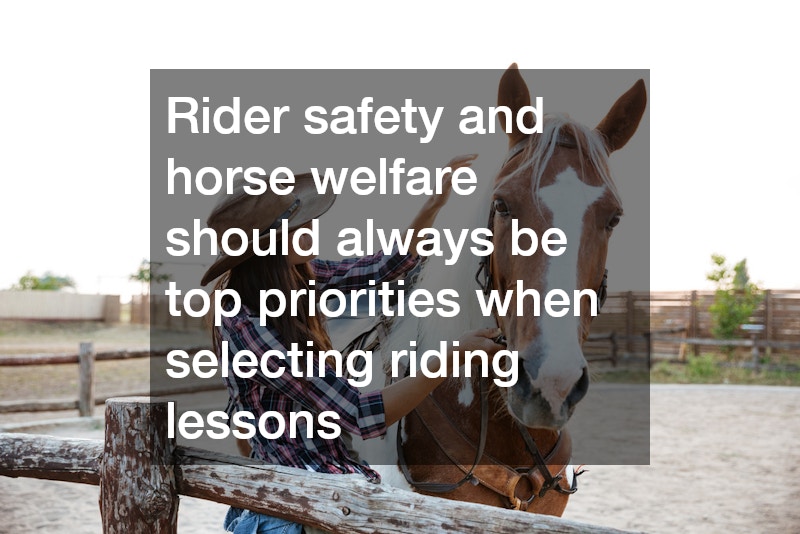
Rider safety and horse welfare should always be top priorities when selecting riding lessons. Horses are large, powerful animals, and handling them requires respect and understanding. Ensure that the school emphasizes safety protocols, including helmet use and emergency procedures. The school should maintain high standards of horse care, which includes regular veterinary checkups and appropriate feeding and exercise routines. A well-cared-for horse is usually a happier, more responsive partner in riding.
Engage with the instructor about their approach to teaching safe riding techniques, and how they instill awareness and preventative measures against accidents. Schools that include safety training as part of their curriculum often show more commitment to student welfare. Understanding the general guidelines for moving around horses, managing equipment, and handling unexpected situations elevates your confidence and security. As you become more knowledgeable, the experience becomes more enjoyable and rewarding.
Furthermore, the atmosphere of the riding school should be supportive and devoid of any undue stress or pressure. A positive, encouraging environment aids in building confidence and courage in riders, especially beginners. Experienced riders can further appreciate the assuredness that comes with a safe and encouraging setting. Cultivating awareness and respect for horses fortifies the student-instructor-horse relationship, making the learning process more effective and harmonious. Thus, ensuring safety and welfare make for a sincere and fulfilling equestrian adventure.